Communications in the Private Sector
- Iain M. Feeney

- Sep 30, 2024
- 4 min read
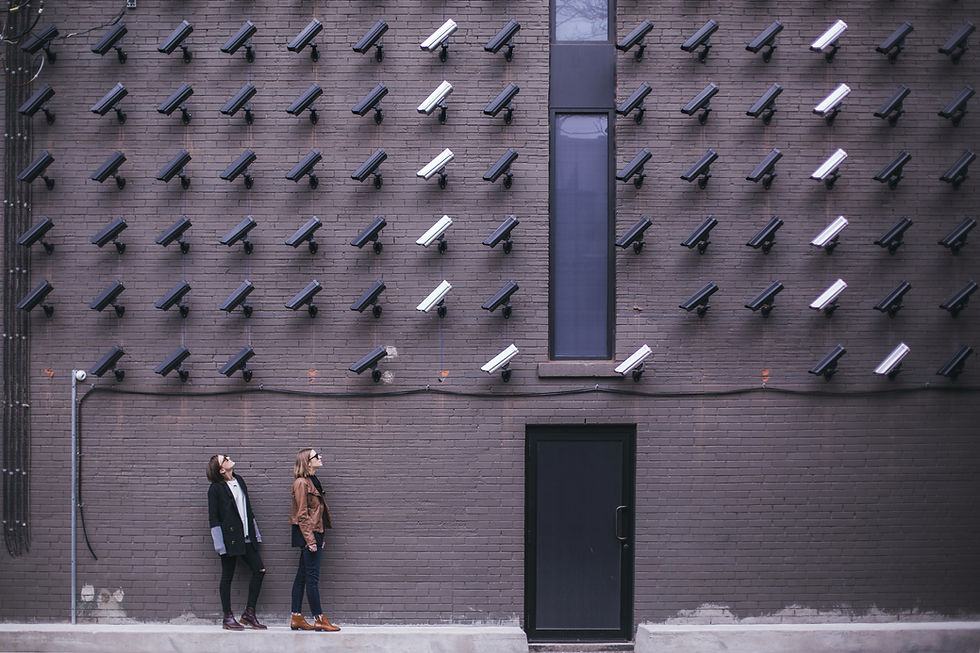
In the private security industry, effective communication is essential to ensure smooth operations, timely response, and overall safety. Radio communications and dispatch systems form the backbone of these agencies, enabling security personnel to stay connected, coordinate efficiently, and manage incidents in real-time. In this blog post, we’ll explore the key aspects of radio communications and dispatch options available to private security agencies, highlighting their importance, advantages, and emerging technologies.
The Importance of Reliable Communications
Private security operations often span multiple locations and involve diverse responsibilities, from monitoring premises to responding to alarms and managing crowds. To effectively handle these tasks, security officers must maintain clear and constant communication with each other and the central command center. The following are the primary reasons why reliable communication is critical:
- **Coordination:** Effective communication helps in coordinating patrols, directing resources, and deploying personnel where they are most needed.
- **Incident Response:** Real-time updates allow dispatchers to direct security officers to the scene of an incident quickly, minimizing response times.
- **Safety:** Reliable communication systems can enhance the safety of security personnel by ensuring they can call for backup in emergency situations.
- **Accountability:** Dispatch systems often log communications, which can be reviewed later for compliance, performance tracking, and liability protection.
Types of Radio Communications for Private Security
The choice of radio system depends on factors such as the size of the security team, the geographical coverage required, and the nature of the security environment. Below are some common radio communication options for private security agencies:
1. Two-Way Radios (Walkie-Talkies):
Two-way radios are a staple in private security communications. These radios allow direct communication between personnel, and their features make them suitable for small- to medium-sized security teams. Benefits include:
- **Durability:** Built to withstand rugged environments.
- **Clear Audio:** Designed for high clarity, even in noisy settings.
- **Range:** Depending on the model, they can cover small to large areas, including buildings and outdoor spaces.
2. Digital Mobile Radios (DMR):
Digital mobile radios offer improved voice quality, encryption, and extended range compared to traditional analog radios. DMR systems allow for private and group calls, making them more versatile for large teams.
- **Scalability:** Suitable for expanding teams, as additional radios can be added without frequency conflicts.
- **Encryption:** Provides enhanced security to prevent unauthorized eavesdropping.
- **GPS Tracking:** Allows for the integration of location tracking, which is vital for dispatching the nearest officer to incidents.
3. Push-to-Talk (PTT) over Cellular:
PTT over cellular networks is an emerging technology that combines the functionality of two-way radios with the wide-area coverage of mobile networks. Officers can communicate instantly using cellular data, bypassing the limitations of traditional radio range.
- **Nationwide Coverage:** As long as there’s cellular service, officers can communicate over large distances.
- **No Infrastructure:** There’s no need for expensive radio towers or repeaters.
- **Integration with Smartphones:** PTT apps can be installed on smartphones, reducing the need for separate devices.
Dispatch Systems for Security Agencies
A well-organized dispatch system is essential for managing the flow of communication and coordinating field activities. Below are key dispatch options used by private security agencies:
1. Centralized Dispatch Centers:
A centralized dispatch system connects all security personnel to a single hub, where dispatchers manage calls, track officers, and coordinate responses. This setup ensures:
- Consistent Communication:** All communications flow through one central location, ensuring no information is lost.
- Efficient Resource Management: Dispatchers can assess the situation and direct the most appropriate personnel to handle it.
- Incident Logging: Communication and actions taken during incidents can be logged for later review and reporting.
2. Computer-Aided Dispatch (CAD) Systems:
CAD systems bring technology into the dispatch process by automating and organizing communication flows. They enable dispatchers to:
- Track Officers in Real Time: GPS-enabled radios or smartphones help dispatchers monitor officer locations and dispatch the nearest available unit.
- Automate Tasks: CAD systems can assign tasks to officers, provide routing information, and track response times.
- Generate Reports: Incident data, officer actions, and response outcomes can be logged automatically, reducing paperwork.
3. Cloud-Based Dispatch Solutions:
Cloud-based dispatch platforms offer flexibility, scalability, and integration with mobile devices. These systems allow security teams to manage operations from anywhere, using the cloud to store and share critical data.
- Remote Access: Dispatchers can operate remotely without the need for a physical dispatch center.
- Cost-Effective: Cloud solutions reduce the need for expensive hardware infrastructure.
- Scalability: As security teams grow, cloud-based systems can be expanded to accommodate more users and features.
Emerging Trends in Security Communications
Technology continues to evolve, and private security agencies are increasingly adopting new innovations in their communication and dispatch systems. Here are some trends to watch:
- AI-Enhanced Dispatch Systems: AI can assist in dispatching by analyzing data, predicting resource needs, and automating repetitive tasks.
- Integration with Surveillance Systems: Dispatch systems integrated with video surveillance can allow dispatchers to view live footage of incidents and deploy resources more effectively.
- Wearable Communication Devices: Body-worn communication devices and smartwatches with push-to-talk features are being integrated into the workflow, allowing hands-free communication.
Conclusion
Effective communication and dispatch systems are vital for private security agencies to operate efficiently and safely. By investing in the right radio communication tools and dispatch technologies, security firms can ensure real-time coordination, faster response times, and improved service quality. As the industry evolves, embracing newer technologies like AI, cloud-based systems, and GPS-enabled devices will further enhance the capabilities of private security operations.
In the world of private security, staying connected is key—and the right communication system makes all the difference.
Comments